Embarking on the journey of understanding How to Stop Foreclosure Legally in the US, this guide aims to shed light on the legal options available to homeowners facing this challenging situation. From defining foreclosure to exploring legal rights and practical solutions, this guide covers it all.
As we delve deeper into the complexities of foreclosure and the ways to combat it within the bounds of the law, readers will gain valuable insights into safeguarding their homes and financial stability.
Understanding Foreclosure
Foreclosure is a legal process through which a lender attempts to recover the balance of a loan from a borrower who has stopped making payments by forcing the sale of the asset used as collateral for the loan, typically a home.
This process is usually initiated when a homeowner falls significantly behind on mortgage payments.
Implications of Foreclosure on Homeowners
Foreclosure can have serious consequences for homeowners, including damage to their credit score, potential eviction from their home, and the loss of their investment in the property. It can also make it more difficult to secure future loans or financing.
Stages of Foreclosure in the US
- 1. Missed Payments: The foreclosure process typically begins when a homeowner misses several mortgage payments.
- 2. Notice of Default: After missed payments, the lender will issue a Notice of Default, informing the homeowner that they are in danger of foreclosure.
- 3. Pre-Foreclosure: During this stage, the homeowner has the opportunity to pay off the debt or negotiate a solution with the lender to avoid foreclosure.
- 4. Auction: If the homeowner is unable to resolve the debt, the property will be sold at a public auction to the highest bidder.
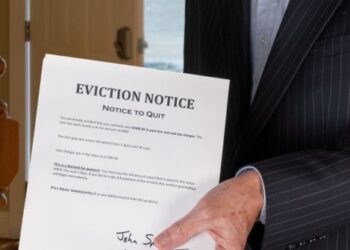
- 5. Eviction: If the property is not sold at auction, ownership reverts to the lender, who can then evict the homeowner from the property.
Legal Rights and Options
When facing foreclosure, homeowners in the US have legal rights and options that can help them prevent the loss of their homes. It is crucial to understand these rights and explore the available options to stop foreclosure legally.
Legal Rights of Homeowners
Homeowners facing foreclosure have certain legal rights that protect them during the process. These rights include:
- Right to receive proper notice of foreclosure proceedings.
- Right to seek assistance from housing counselors or legal professionals.
- Right to request a loan modification or repayment plan from the lender.
- Right to challenge the foreclosure in court if there are legal grounds to do so.
Options to Stop Foreclosure Legally
There are several options available to homeowners to stop foreclosure legally. Some of the common options include:
- Loan Modification: This involves renegotiating the terms of the mortgage to make payments more affordable.
- Forbearance Agreement: Temporary suspension or reduction of mortgage payments for a specific period.
- Short Sale: Selling the property for less than the amount owed on the mortgage with the lender's approval.
- Deed in Lieu of Foreclosure: Transferring the property title to the lender to avoid foreclosure.
Pros and Cons of Each Legal Option
It is essential to weigh the pros and cons of each legal option available to stop foreclosure. Consider the following factors:
| Legal Option | Pros | Cons |
|---|---|---|
| Loan Modification | Lower monthly payments, potential to keep the home. | Long process, may not be approved by the lender. |
| Forbearance Agreement | Temporary relief, opportunity to catch up on payments. | Payments may increase after the forbearance period. |
| Short Sale | Avoid foreclosure, settle debt for less than owed. | Impact on credit score, approval needed from the lender. |
| Deed in Lieu of Foreclosure | Avoid foreclosure, voluntary transfer of property. | Potential tax implications, may not release all debt obligations. |
Loan Modification
When facing the risk of foreclosure, one option to consider is a loan modification. This process involves changing the terms of your existing mortgage to make it more affordable, ultimately helping you avoid losing your home.
What is Loan Modification?
A loan modification is a permanent change to one or more terms of your mortgage loan. This could include extending the length of the loan, reducing the interest rate, or even forgiving a portion of the principal balance. The goal is to create a new payment plan that you can manage based on your current financial situation.
How to Apply for a Loan Modification
- Contact your lender: Reach out to your mortgage servicer as soon as possible to inquire about loan modification options. They will provide you with the necessary paperwork and guidance on how to proceed.
- Submit required documents: Prepare and submit financial documents such as proof of income, expenses, and hardship letter explaining why you need a loan modification.
- Wait for review: Your lender will review your application and determine if you qualify for a loan modification based on your financial circumstances.
- Negotiate terms: If approved, you will receive a modified loan agreement with new terms. Review the terms carefully and make sure you understand all the changes before signing.
- Make timely payments: Once the modification is in place, ensure you make timely payments as per the new agreement to avoid any issues in the future.
Eligibility Criteria for a Loan Modification
- Financial hardship: You must demonstrate that you are facing financial hardship, making it difficult for you to keep up with your current mortgage payments.
- Ability to pay: You must have enough income to afford the modified mortgage payments under the new terms set by the lender.
- Owner-occupied property: Typically, loan modifications are more readily available for primary residences rather than investment properties.
- Proactive communication: It is crucial to communicate openly and honestly with your lender throughout the loan modification process to increase your chances of approval.
Short Sale
A short sale is a real estate transaction where the homeowner sells the property for less than the amount owed on the mortgage. This differs from foreclosure, where the lender takes possession of the property due to non-payment of the mortgage.
Steps Involved in a Short Sale Process
- Contact the lender: The homeowner must inform the lender of their intention to pursue a short sale and provide necessary financial documentation.
- List the property: A real estate agent can help list the property for sale and find potential buyers.
- Receive offers: Once a buyer makes an offer, the homeowner must submit it to the lender for approval.
- Negotiate with the lender: The lender will review the offer and may negotiate the terms of the sale, including the amount forgiven on the mortgage.
- Closing: If the lender approves the sale, the transaction can proceed to closing, where the property is transferred to the new owner.
How a Short Sale Can Help Homeowners Avoid Foreclosure
A short sale can help homeowners avoid foreclosure by allowing them to sell the property and settle the mortgage debt without going through the lengthy and damaging foreclosure process. It can also minimize the impact on the homeowner's credit score compared to a foreclosure, making it a more favorable option for those facing financial difficulties.
Bankruptcy
Bankruptcy can be a powerful tool to halt foreclosure proceedings in the US. By filing for bankruptcy, individuals can trigger an automatic stay, which legally stops creditors, including mortgage lenders, from pursuing collection actions, including foreclosure.
Types of Bankruptcy
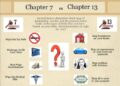
- Chapter 7 Bankruptcy: Also known as liquidation bankruptcy, Chapter 7 involves the sale of assets to pay off debts. While it may temporarily halt foreclosure proceedings, it does not offer a long-term solution to keep the home.
- Chapter 13 Bankruptcy: This type of bankruptcy allows individuals to restructure their debts and create a repayment plan over three to five years. It can help stop foreclosure by allowing homeowners to catch up on missed mortgage payments.
Filing for Bankruptcy
- Consult with a bankruptcy attorney to determine the best course of action based on your financial situation.
- Gather all necessary financial documents, including income statements, tax returns, and debt information, to support your bankruptcy filing.
- File the necessary paperwork with the bankruptcy court and comply with all requirements throughout the process.
- Attend the meeting of creditors and follow the court's instructions to successfully navigate the bankruptcy process.
Legal Assistance
Seeking legal assistance when facing foreclosure is crucial to understanding your rights and options, as well as to effectively navigate the legal process. A foreclosure defense attorney plays a key role in helping homeowners stop foreclosure by representing their interests, negotiating with lenders, and exploring legal strategies to prevent the loss of their home.
Importance of Legal Help
- Legal expertise: A foreclosure defense attorney has the knowledge and experience to assess your situation, identify potential defenses, and advocate on your behalf in court.
- Negotiation skills: An attorney can negotiate with your lender to explore alternatives to foreclosure, such as loan modifications or short sales.
- Legal protection: Legal representation can help ensure that your rights are protected throughout the foreclosure process and that all legal requirements are met.
Finding Reputable Legal Help
- Referrals: Ask for recommendations from trusted sources, such as friends, family, or other professionals who have experience with foreclosure defense attorneys.
- Research: Look for attorneys who specialize in foreclosure defense and have a track record of success in handling similar cases.
- Consultations: Schedule consultations with potential attorneys to discuss your case, assess their expertise, and determine if they are a good fit for your needs.
Foreclosure Avoidance Programs
When facing the possibility of foreclosure, homeowners in the US can turn to various government-backed programs designed to help them avoid losing their homes. These programs offer assistance and solutions to those struggling to make their mortgage payments.
Types of Foreclosure Avoidance Programs
- Loan Modification:This program allows homeowners to modify the terms of their existing mortgage to make payments more manageable. Eligibility usually depends on factors such as income, hardship, and property value.
- Short Sale:In a short sale, the lender agrees to accept less than the full amount owed on the mortgage by selling the property. This can help homeowners avoid foreclosure and minimize the impact on their credit.
- Forbearance:Forbearance allows homeowners to temporarily pause or reduce their mortgage payments during times of financial hardship. Once the forbearance period ends, homeowners can work with their lender to repay the missed payments.
Eligibility Requirements and Benefits
| Program | Eligibility Requirements | Benefits |
|---|---|---|
| Loan Modification | Financial hardship, stable income, property value | Lower monthly payments, avoid foreclosure |
| Short Sale | Financial hardship, property value less than owed amount | Avoid foreclosure, minimize credit impact |
| Forbearance | Financial hardship, ability to resume payments | Temporary relief, opportunity to catch up on payments |
Summary
In conclusion, navigating the intricate landscape of foreclosure can be daunting, but armed with the knowledge provided in this guide, homeowners can take proactive steps to protect their homes and future. By understanding the legal avenues available and seeking appropriate assistance, stopping foreclosure is a feasible and achievable goal.
Questions and Answers
Can I stop foreclosure if I am already behind on mortgage payments?
Yes, there are legal options available such as loan modification, short sale, or bankruptcy that can help in stopping foreclosure even if you are behind on payments.
How long does the foreclosure process typically take in the US?
The foreclosure process duration can vary by state, but it usually ranges from a few months to over a year depending on various factors.
Is hiring a foreclosure defense attorney necessary?
While it's not mandatory, seeking legal assistance from a foreclosure defense attorney can significantly improve your chances of successfully stopping foreclosure.