
Embarking on the journey of understanding How to Handle an Eviction Notice Legally, this guide aims to provide valuable insights and practical tips for tenants facing this challenging situation.
Exploring the nuances of eviction notices, tenant rights, legal recourse, and negotiation strategies, this guide equips readers with the knowledge needed to navigate the complexities of eviction proceedings.
Understanding an Eviction Notice

An eviction notice is a legal document served by a landlord to a tenant, informing them of the termination of their lease agreement and the need to vacate the rental property within a specified period of time.
Types of Eviction Notices
- Pay or Quit Notice: This type of notice requires the tenant to either pay the rent owed or vacate the premises within a certain period.
- Cure or Quit Notice: This notice informs the tenant of a lease violation and gives them a chance to correct the issue within a specified timeframe.
- Unconditional Quit Notice: This is the most serious type of notice, requiring the tenant to vacate the property without any option to remedy the situation.
Contents of an Eviction Notice
An eviction notice typically includes:
- The date the notice was served
- The reason for the eviction
- The specific actions required by the tenant
- The deadline for compliance
- Consequences of failing to comply
Rights and Responsibilities
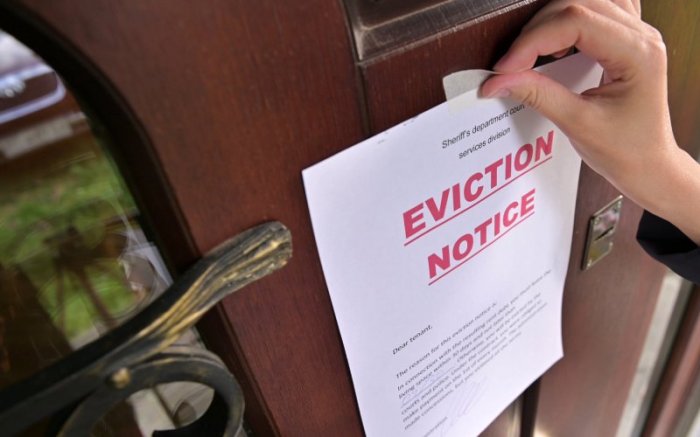
Upon receiving an eviction notice, tenants have certain rights and responsibilities that they need to be aware of. It is important to understand what actions can be taken and what obligations need to be fulfilled during this process.
Tenant Rights and Responsibilities:
- Tenants have the right to challenge the eviction notice in court if they believe it is unjust or unlawful.
- It is the responsibility of tenants to review the terms of their rental agreement to understand the grounds for eviction stated by the landlord.
- Tenants must adhere to the notice period provided in the eviction notice and vacate the premises within the specified timeframe.
- If tenants choose to dispute the eviction, they should seek legal advice and gather evidence to support their case.
Landlord Obligations:
- Landlords must provide a valid reason for the eviction in accordance with the local laws and regulations governing the rental agreement.
- It is the responsibility of the landlord to serve the eviction notice in writing and adhere to the notice period required by law.
- Landlords should ensure that the eviction process follows the legal procedures Artikeld in the rental agreement and local statutes.
- If the landlord fails to meet these obligations, tenants may have grounds to challenge the eviction in court.
Variability in Tenant Rights:
- Tenant rights may vary depending on the specific terms of the rental agreement signed between the tenant and landlord.
- Local laws and regulations also play a significant role in determining the rights and responsibilities of tenants in eviction proceedings.
- It is crucial for tenants to familiarize themselves with both the rental agreement and the local laws to understand their rights fully and protect themselves during an eviction.
Responding to an Eviction Notice
Upon receiving an eviction notice, tenants must act promptly and responsibly to protect their rights and interests. It is crucial to carefully review the notice and understand the timeline provided for response.
Steps to Take Upon Receiving an Eviction Notice:
- Review the eviction notice thoroughly to understand the reason for eviction, deadline for response, and any specific instructions provided.
- Consult your lease agreement to ensure that the eviction notice complies with the terms Artikeld in the contract.
- Seek legal advice or assistance if needed to fully comprehend your rights and options in responding to the eviction notice.
- Prepare a formal written response to the eviction notice, addressing each point raised and providing any relevant documentation or evidence to support your case.
- Deliver the response within the specified timeframe, either in person or through certified mail, to ensure proof of delivery.
Importance of Reviewing the Notice Carefully and Understanding the Timeline:
It is essential to carefully review the eviction notice as it Artikels the specific reasons for the eviction and the legal grounds on which it is based. Understanding the timeline provided in the notice is crucial to avoid missing any deadlines for response or further legal actions.
Guidance on How to Respond Formally to the Eviction Notice:
When responding formally to an eviction notice, be concise, clear, and professional in your communication. Address each point raised in the notice and provide any relevant information or documentation to support your case. Seek legal advice if needed to ensure that your response is legally sound and effectively conveys your position.
Legal Recourse and Defenses
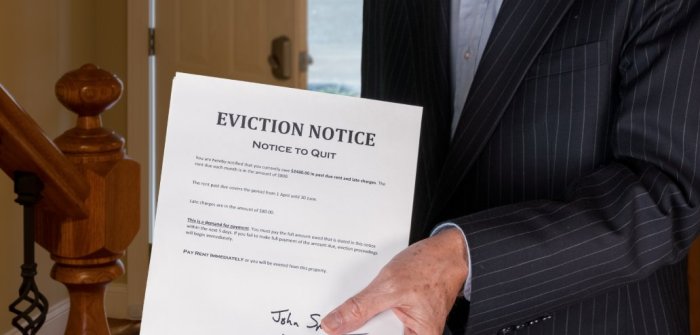
When facing an eviction notice, tenants have legal recourse and defenses available to help them challenge the eviction and protect their rights.
Legal Recourse for Tenants
- Tenants can review their lease agreement to ensure that the eviction notice is valid and complies with the terms of the lease.
- If the eviction notice is based on non-payment of rent, tenants may have the opportunity to pay the overdue rent to avoid eviction.
- Tenants can also negotiate with their landlord or seek mediation to resolve any issues leading to the eviction.
Common Defenses in Eviction Proceedings
- Improper notice: Tenants can challenge an eviction if the landlord did not provide proper notice or did not follow the correct legal procedures.
- Retaliation: If the eviction is in retaliation for exercising legal rights, such as reporting unsafe living conditions, tenants can use this as a defense.
- Violation of lease terms: If the landlord is not upholding their responsibilities under the lease agreement, tenants may have grounds to challenge the eviction.
Seeking Legal Aid or Representation
- Tenants facing eviction can seek legal aid from organizations that provide free or low-cost legal services to help them navigate the eviction process.
- Legal aid lawyers can assist tenants in understanding their rights, drafting legal documents, and representing them in court if necessary.
- It is important for tenants to act quickly and seek legal help as soon as they receive an eviction notice to ensure they have the best chance of defending against the eviction.
Seeking Mediation or Negotiation
When facing an eviction notice, seeking mediation or negotiation can be a beneficial step towards resolving the issue without going to court. Mediation involves a neutral third party who helps facilitate communication between the tenant and landlord to reach a mutually agreeable solution.
Mediation Process
- Mediation typically starts with both parties meeting with the mediator to discuss their perspectives and concerns regarding the eviction.
- The mediator guides the conversation, helping each party understand the other's position and work towards finding common ground.
- If an agreement is reached, a written settlement is drafted and signed by both parties, outlining the terms of the resolution.
Negotiation Tips
- Communicate openly and respectfully with your landlord to express your willingness to find a solution.
- Be prepared to compromise and consider different options that could benefit both parties.
- Seek legal advice or assistance to ensure you understand your rights and obligations during the negotiation process.
Benefits of Mediation
- Mediation is often quicker and less expensive than going to court, saving both time and money for all parties involved.
- It allows for more control over the outcome, as the parties can tailor a solution that meets their specific needs and concerns.
- Mediation can help preserve the relationship between the tenant and landlord, fostering a more amicable resolution to the eviction issue.
Summary
In conclusion, mastering the art of handling an eviction notice legally requires a combination of knowledge, strategy, and proactive communication. By understanding your rights, responsibilities, and legal options, you can approach this situation with confidence and clarity. Stay informed, seek support when needed, and remember that you are not alone in this process.
Quick FAQs
What should I do if I receive an eviction notice?
Upon receiving an eviction notice, it is crucial to carefully review the document, understand the reasons for the eviction, and seek legal advice if needed. Responding promptly and appropriately is key to protecting your rights.
Can a landlord evict a tenant without proper notice?
No, landlords are required to provide tenants with a written notice of eviction, as per the law. Evicting a tenant without following the legal procedures can lead to legal consequences for the landlord.
Is it possible to challenge an eviction notice in court?
Yes, tenants have the right to challenge an eviction notice in court by presenting valid defenses, such as improper notice or landlord retaliation. Seeking legal aid can help tenants navigate the legal process effectively.
How can mediation help in resolving an eviction dispute?
Mediation offers a non-adversarial way for tenants and landlords to resolve eviction disputes, potentially reaching a mutually beneficial agreement without going to court. It allows both parties to communicate and find common ground.