
As Top Mistakes to Avoid After a Car Accident Claim takes center stage, this opening passage beckons readers with casual formal language style into a world crafted with good knowledge, ensuring a reading experience that is both absorbing and distinctly original.
In the realm of car accident claims, avoiding common mistakes is crucial for a successful outcome. Let's delve into the top errors individuals make post-claim and explore their impact on the overall process.
Common Mistakes Post Car Accident Claim
After filing a car accident claim, individuals may inadvertently make mistakes that could potentially impact the outcome of their claim. It is crucial to be aware of these common errors to avoid unnecessary complications in the claims process.
Not Seeking Medical Attention
One of the top mistakes individuals make after a car accident claim is failing to seek immediate medical attention, even if they believe their injuries are minor. Delaying or forgoing medical treatment can not only worsen the condition but also create difficulties in proving the extent of injuries for the claim.
Providing Inaccurate Information
Another common mistake is providing inaccurate or incomplete information when reporting the accident to the insurance company. This can lead to delays in processing the claim or even denial if inconsistencies are discovered later on.
Settling Too Quickly
Many individuals make the mistake of settling their car accident claim too quickly without fully understanding the extent of their injuries or the long-term costs involved. This hasty decision can result in inadequate compensation for medical bills, lost wages, or future treatment.
Not Consulting with an Attorney
Failing to consult with an attorney after a car accident claim is a crucial mistake that can significantly impact the outcome. An experienced attorney can provide valuable guidance, negotiate with insurance companies, and ensure that your rights are protected throughout the claims process.
Failure to Gather Sufficient Evidence

After a car accident, it is crucial to gather sufficient evidence to support your claim. Failing to do so can weaken your case and lead to complications in receiving the compensation you deserve.
Types of Evidence
When gathering evidence after a car accident, consider the following types of documentation and information:
- Photographs of the accident scene, including damage to vehicles and any relevant road conditions
- Witness statements with contact information
- Police reports or accident reports
- Medical records and bills related to injuries sustained in the accident
- Repair estimates and invoices for vehicle damage
Importance of Evidence Collection
Collecting the right evidence is essential to proving fault and the extent of damages in a car accident claim. Without adequate evidence, insurance companies may dispute your claim, leading to delays or denials in compensation. Additionally, lack of evidence can make it challenging to establish liability and hold the at-fault party accountable.
Delay in Seeking Medical Attention

Seeking immediate medical attention after a car accident is crucial for several reasons. Not only can injuries worsen without prompt treatment, but delaying medical care can also have significant implications on a potential insurance claim.
Importance of Immediate Medical Attention
- Immediate medical attention can prevent injuries from escalating and becoming more severe.
- Some injuries, such as whiplash or internal bleeding, may not present symptoms right away but can be detected by a healthcare professional.
- Documenting injuries and treatment shortly after the accident can strengthen your claim with concrete medical evidence.
Consequences of Delaying Medical Treatment
- Delaying medical treatment can be used by insurance companies to argue that your injuries were not severe or directly caused by the accident.
- Insurance adjusters may question the validity of your claim if you did not seek medical attention promptly.
- Internal injuries or concussions may go undetected without medical evaluation, leading to complications later on.
Role of Medical Records in Supporting a Claim
- Medical records provide a detailed account of your injuries, treatment, and recovery process, serving as crucial evidence in your claim.
- Having documented medical records can help establish a direct link between the accident and your injuries, strengthening your case for compensation.
- Insurance companies rely on medical records to assess the extent of your injuries and determine the compensation you may be entitled to receive.
Miscommunication with Insurance Companies
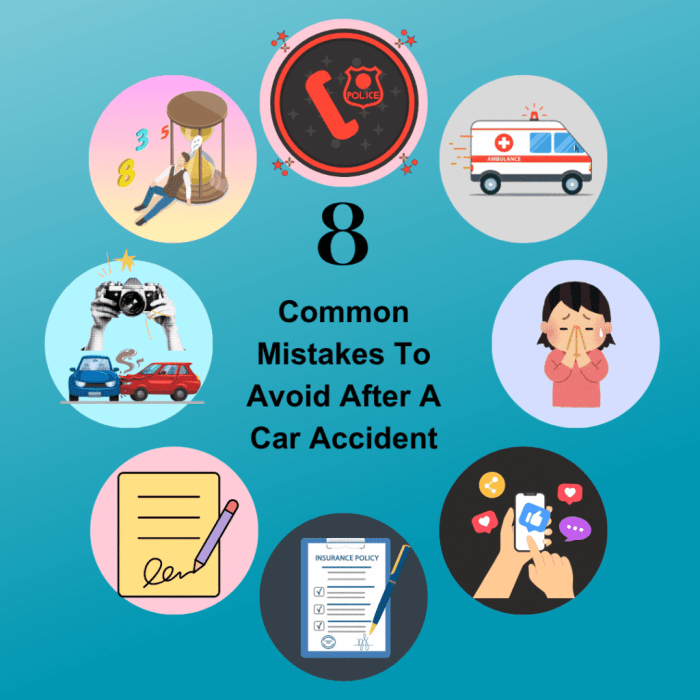
When dealing with insurance companies after a car accident, clear and accurate communication is crucial. Miscommunication can lead to delays, denials, or reduced compensation for your claim. It is important to provide all necessary information promptly and accurately to ensure a smooth claims process.
Tips for Effective Communication
- Provide a detailed account of the accident: Be sure to accurately describe how the accident occurred, the damages sustained, and any injuries suffered.
- Submit all required documentation: This may include police reports, medical records, and repair estimates. Make sure to provide these documents in a timely manner.
- Be honest and transparent: Do not withhold any information from the insurance company, as this can lead to complications down the line.
- Keep a record of all communication: Maintain a log of all conversations with the insurance company, including dates, times, and the names of representatives spoken to.
Implications of Inconsistent or Incomplete Information
Providing inconsistent or incomplete information to insurers can have serious consequences. It may result in a denial of your claim, reduced compensation, or even accusations of fraud. It is essential to be thorough and honest in your communication with insurance companies to ensure a successful resolution of your claim.
Accepting a Quick Settlement Offer
When involved in a car accident claim, it is crucial to carefully consider any settlement offers presented by insurance companies. Accepting a quick settlement offer without fully understanding the extent of your damages or consulting with legal professionals can have serious consequences.
Potential Risks of Accepting a Quick Settlement
- Insufficient Compensation: A quick settlement offer may not adequately cover all your medical expenses, lost wages, or pain and suffering resulting from the accident.
- Waiving Future Legal Rights: By accepting a settlement offer too quickly, you may forfeit your right to pursue further legal action if additional complications arise later.
- Underestimating Damages: Rushing into a settlement can lead to undervaluing the full extent of your damages, resulting in financial losses in the long run.
Importance of Consulting Legal Professionals
Before agreeing to any settlement offer, it is advisable to seek guidance from experienced legal professionals. They can help assess the offer's adequacy, negotiate for a fair settlement, and ensure that your rights are protected throughout the process.
Seeking legal advice can prevent you from making hasty decisions that could negatively impact your car accident claim.
Summary
In conclusion, steering clear of these pitfalls can make a significant difference in the outcome of a car accident claim. By understanding these mistakes and taking proactive steps to avoid them, individuals can navigate the claims process with greater ease and confidence.
FAQ Overview
What should I do if I realize I made a mistake after filing a car accident claim?
If you identify an error post-claim, it's crucial to notify your insurance company or legal representative immediately to rectify the mistake and prevent any negative consequences.
Is it necessary to seek legal advice after a car accident claim, even if the insurance company offers a settlement?
Consulting with a legal professional is highly recommended before accepting any settlement offer from the insurance company. They can provide valuable insights and ensure you receive fair compensation.
How long do I have to seek medical attention after a car accident to support my claim?
It's advisable to seek medical attention as soon as possible after a car accident, preferably within 72 hours, to document any injuries and establish a connection between the accident and your medical condition.
What can happen if I fail to gather sufficient evidence after a car accident?
Without proper evidence, your claim may be weakened, leading to potential complications such as disputes over liability and reduced compensation. Collecting evidence promptly is essential for a strong claim.